January 2, 2025
Telephone Cable: Everything You Need to Know About This Essential Networking Tool
Share This Article
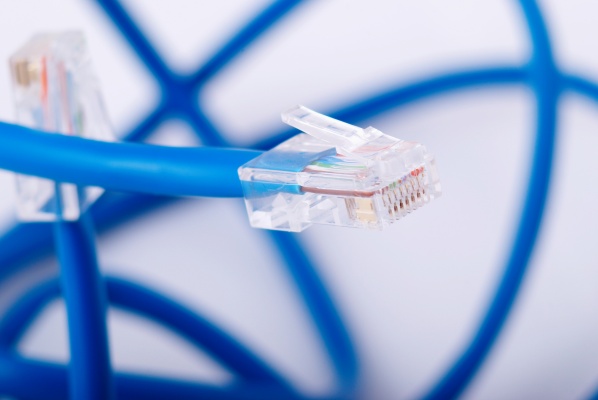
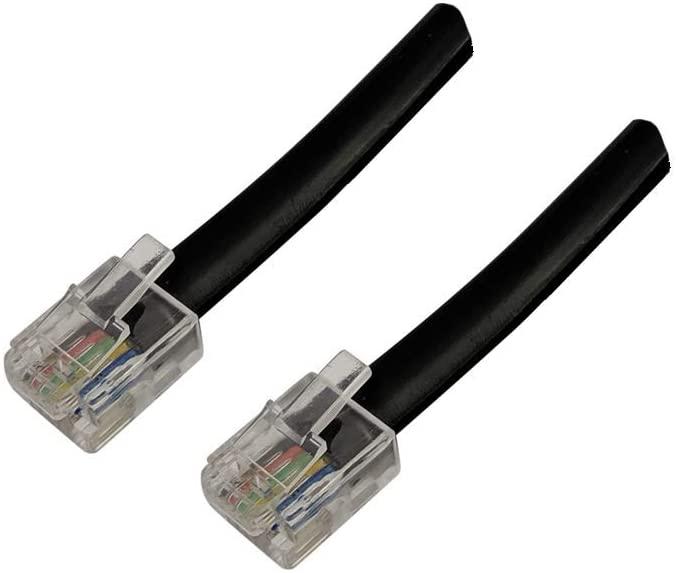
When you think of communication infrastructure, one humble yet critical component that often gets overlooked is the telephone cable. Despite the rapid evolution of wireless technology, telephone cables remain a backbone of communication—whether it’s connecting landline phones, facilitating office PBX systems, or integrating with DSL networks for internet access. They’re reliable, durable, and still play a vital role in various industries.
But what exactly are telephone cables, and why should you care? Simply put, these cables are the lifeline of wired communication. They work by transmitting voice signals, and in many cases, data signals as well. You’ve probably seen them in action as the thin cords connecting your old-school landline phone or the wires running into your building to power DSL (Digital Subscriber Line) internet. Despite their simplicity, they’re highly specialized, with innovations in materials and shielding ensuring they can handle modern communication needs.
In this article, we’ll unpack everything you need to know about telephone cables, from their applications to their advantages over other cable types. Whether you’re a distributor, an OEM, or a business looking for reliable bulk suppliers, this guide is for you.
Overview of Telephone Cables
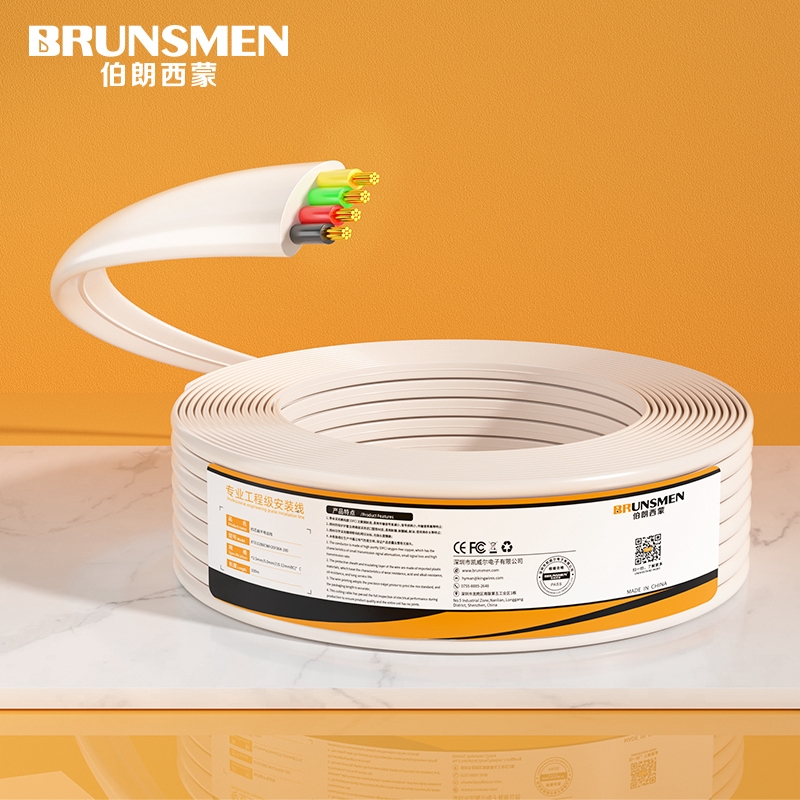
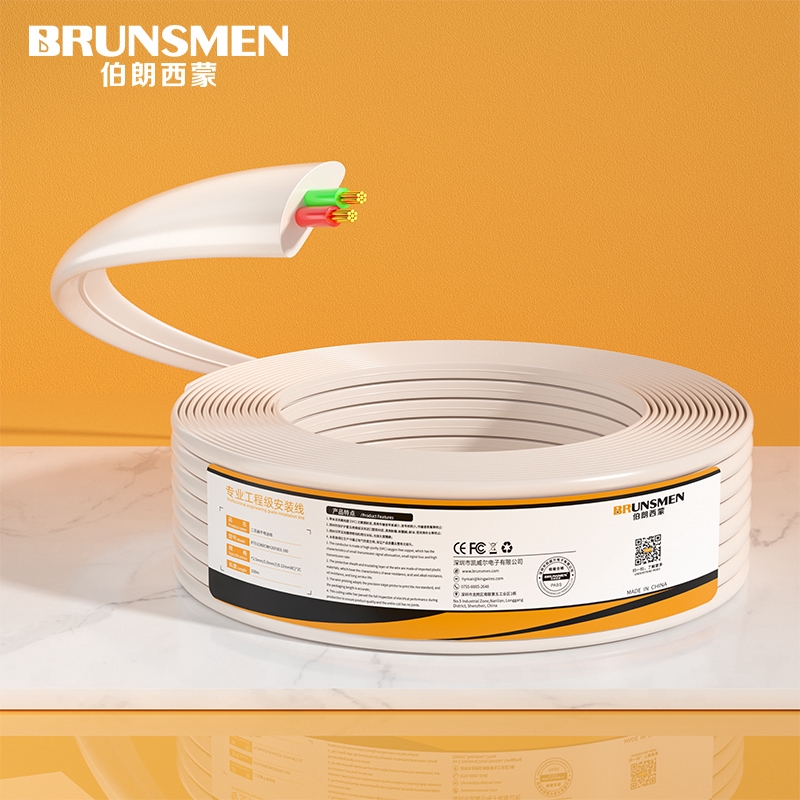
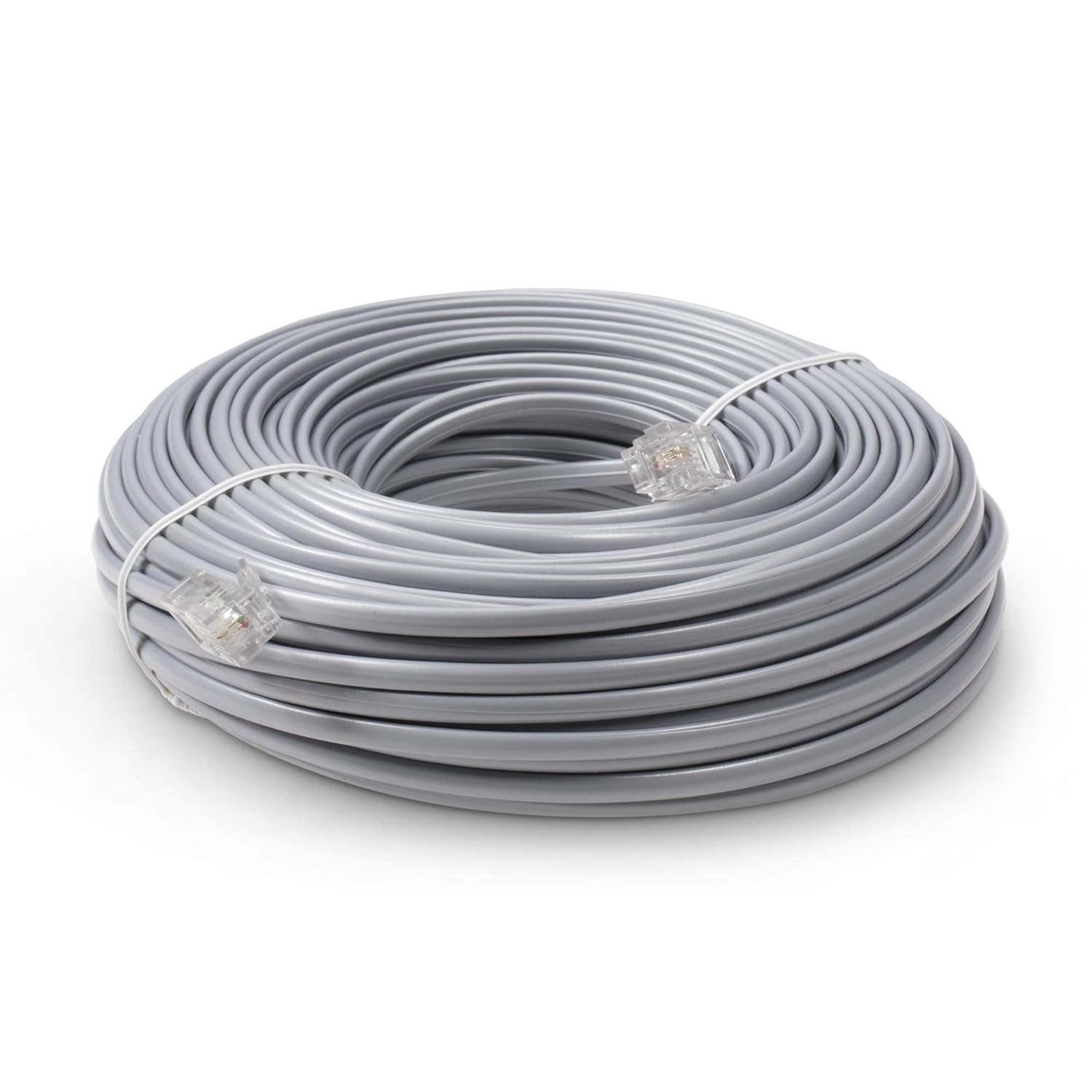
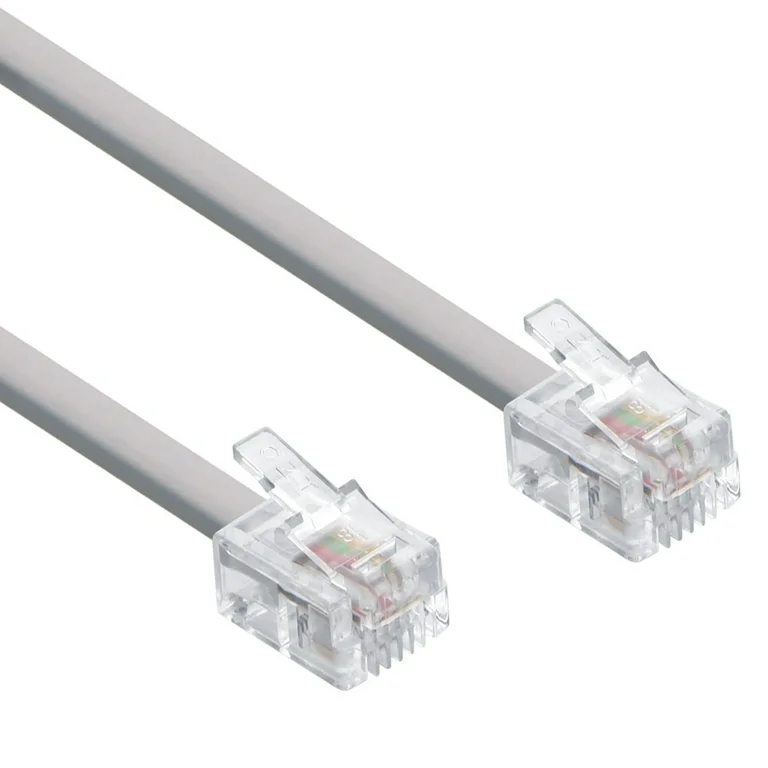
Telephone cables are specialized wires designed to transmit analog and digital signals, primarily for voice communication. They consist of two or more copper conductors, which are often twisted together to minimize interference. Modern telephone cables are also used for DSL internet connections, making them a dual-purpose solution for voice and data transmission.
While the technology behind telephone cables may seem old-fashioned, they’re far from obsolete. In fact, they’ve adapted to the demands of modern communication systems, offering better shielding, higher durability, and even integration with advanced systems like VoIP gateways.
Key Features of Telephone Cables
- Signal Transmission: Designed for both voice and data signals, making them versatile for a range of communication needs.
- Twisted Pair Design: Reduces crosstalk and electromagnetic interference (EMI), ensuring clear signal quality.
- Cost-Effective: Affordable compared to other types of networking cables like fiber optics.
- Durability: Built to last, with high-quality insulation and shielding for long-term use.
- Wide Compatibility: Works flawlessly with landlines, PBX systems, DSL modems, and more.
- Customizable Options: Available in various lengths, gauges, and shielding levels to meet specific requirements.
Wholesale Telephone Cable for Distributors
If you’re a distributor, stocking telephone cables can be a lucrative business move. Why? Because these cables are still widely used in industries like telecommunications, construction, and IT infrastructure. From installing new office phone systems to upgrading DSL connections, telephone cables remain in high demand.
Why Telephone Cables Are Ideal for Wholesale
- Consistent Demand: Despite the rise of wireless technologies, industries and businesses still rely on wired solutions for voice and data communication.
- Versatile Applications: Telephone cables are used in everything from residential landline setups to enterprise-level PBX systems.
- Bulk Usage: Many industries require large quantities of telephone cables for infrastructure projects, making wholesale purchasing a practical choice.
Benefits of Buying Telephone Cables in Bulk
- Cost Savings: Bulk purchases reduce the per-unit cost, allowing you to offer competitive pricing to your customers.
- High Turnover Potential: Telephone cables are essential in many industries, ensuring consistent sales and fast inventory turnover.
- Custom Length Options: When buying in bulk, you can often customize cable lengths to suit specific client needs.
Comparison Between Telephone Cables and Other Networking Cables
| Feature | Telephone Cable | Ethernet Cable (e.g., CAT6) | Fiber Optic Cable |
|---|---|---|---|
| Primary Use | Voice communication, DSL internet | High-speed data transmission | Ultra-fast data transmission |
| Cost | Affordable | Moderately priced | Expensive |
| Signal Type | Analog and low-speed digital | High-speed digital | Optical (light-based) |
| Durability | Durable, with standard shielding | Highly durable | Extremely durable |
| Applications | Landlines, PBX systems, DSL connections | Home and office networks | Data centers, long-distance connections |
This comparison highlights the unique role of telephone cables in communication. While Ethernet and fiber optic cables dominate high-speed data transmission, telephone cables remain the go-to solution for voice communication and affordable internet access.
Why Shenzhen Kingwire is the Best Supplier for Distributors
At Shenzhen Kingwire Electronics Co., Ltd., we specialize in providing high-quality telephone cables for distributors worldwide. Here’s why partnering with us is a smart choice:
- Factory-Direct Pricing: Enjoy competitive rates that maximize your profit margins.
- High Production Capacity: Our 10,000-square-meter factory in Longgang, Shenzhen, can handle bulk orders with ease.
- Certified Quality: All our products meet international standards such as ISO 9001, CE, and RoHS, ensuring reliability and safety.
Customizable Telephone Cable for OEM and Branding Needs
In today’s competitive market, offering customized telephone cables is a great way to stand out. For OEMs and private-label brands, customization options like branding, unique colors, and tailored lengths can make your product line more appealing to specific customer segments.
Why OEMs Should Invest in Custom Telephone Cables
- Strengthen Your Brand: Custom logos, packaging, and product designs can help establish a strong brand identity.
- Meet Specific Needs: Tailored solutions allow you to cater to niche markets, such as industrial-grade telephone cables for harsh environments.
- Increased Profit Margins: Branded, premium products often command higher prices, boosting your revenue potential.
Customization Options at Shenzhen Kingwire
At Shenzhen Kingwire, we offer a wide range of customization services for telephone cables:
- Private Labeling: Add your logo or branding to the cable jacket and packaging for a professional look.
- Color Options: Choose from a variety of colors to match your brand or product line.
- Custom Lengths: Specify exact lengths to suit your clients’ installation needs.
- Enhanced Features: Include additional shielding, rugged designs, or specialized connectors for specific applications.
How Custom Telephone Cables Can Grow Your Brand
Imagine offering a line of premium telephone cables tailored for high-end office installations or rugged environments. Customization allows you to target specific industries and build a loyal customer base, all while differentiating your brand from competitors.
Why Upgrade to Telephone Cables? A Comparison for Wholesalers
If you’re a wholesaler still focused on other types of cables, it might be time to upgrade your inventory with telephone cables. These cables offer unique advantages, especially in industries where voice communication and affordable internet access are still essential.
Advantages of Telephone Cables
- Cost-Effective: Telephone cables are significantly more affordable than Ethernet or fiber optic cables, making them a budget-friendly option for many projects.
- Dual Purpose: Capable of transmitting both voice and data signals, they’re a versatile solution for modern communication needs.
- Durability: Designed to withstand environmental stressors, telephone cables are built for long-term use in both residential and commercial settings.
- Compatibility: Works seamlessly with legacy systems, landlines, and newer technologies like DSL and VoIP.
Telephone Cables vs. Ethernet and Fiber Optic Cables
| Feature | Telephone Cable | Ethernet Cable (e.g., CAT6) | Fiber Optic Cable |
|---|---|---|---|
| Speed | Up to 10 Mbps (DSL) | Up to 10 Gbps | Up to 100 Gbps |
| Primary Use Case | Voice and low-speed internet | High-speed networks | Long-distance, ultra-high-speed networks |
| Cost Per Meter | Low | Moderate | High |
| Installation Complexity | Easy | Moderate | High |
| Ideal Applications | Residential, small businesses | Offices, data centers | Telecom, enterprise networks |
Telephone cables may not match the speed of Ethernet or fiber optics, but their affordability and versatility make them an irreplaceable option for specific use cases, especially in legacy systems.
Bulk Telephone Cable: Cost-Effective Networking Solutions
For large-scale networking projects, buying telephone cables in bulk is an economical and practical option. Whether you’re working on a massive PBX installation or outfitting a new office building with DSL connections, bulk purchasing ensures you have the inventory to meet demand while keeping costs down.
Benefits of Buying Telephone Cables in Bulk
- Lower Costs: Bulk orders significantly reduce the per-unit cost, allowing you to offer competitive pricing to your clients.
- Custom Options: When ordering in bulk, you can request specific lengths, gauges, or shielding levels to suit project requirements.
- Consistent Supply: Bulk purchasing ensures you always have stock on hand for large orders or urgent installations.
- Versatility: Telephone cables are used across multiple industries, making them a versatile product for distributors and wholesalers.
FAQ: Everything You Need to Know About Telephone Cables
When it comes to telephone cables, you might have a lot of questions—after all, choosing the right cable for your communication or networking needs can make a big difference in performance and reliability. In this section, we’ll address the most frequently asked questions about telephone cables, covering everything from their applications and durability to customization and compatibility.
Frequently Asked Questions About Telephone Cables
| Question | Answer |
|---|---|
| What is a telephone cable? | A telephone cable is a type of wired communication cable primarily designed to transmit voice signals and sometimes low-speed data signals. It is commonly used in landlines, PBX systems, and DSL internet connections. |
| How does a telephone cable work? | Telephone cables use copper conductors, typically arranged in twisted pairs, to transmit analog or digital signals. The twisted design minimizes interference and ensures clear communication. |
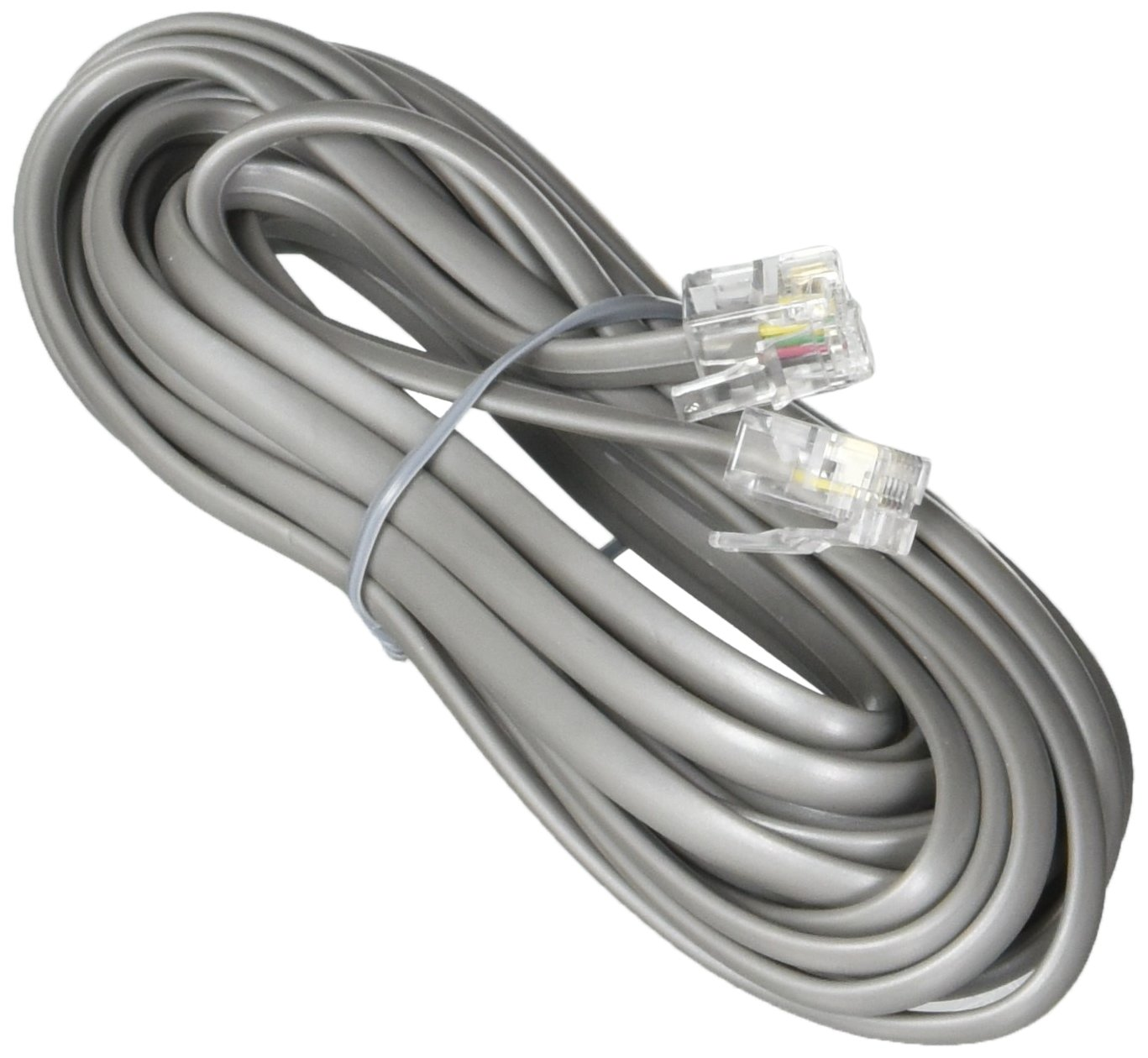
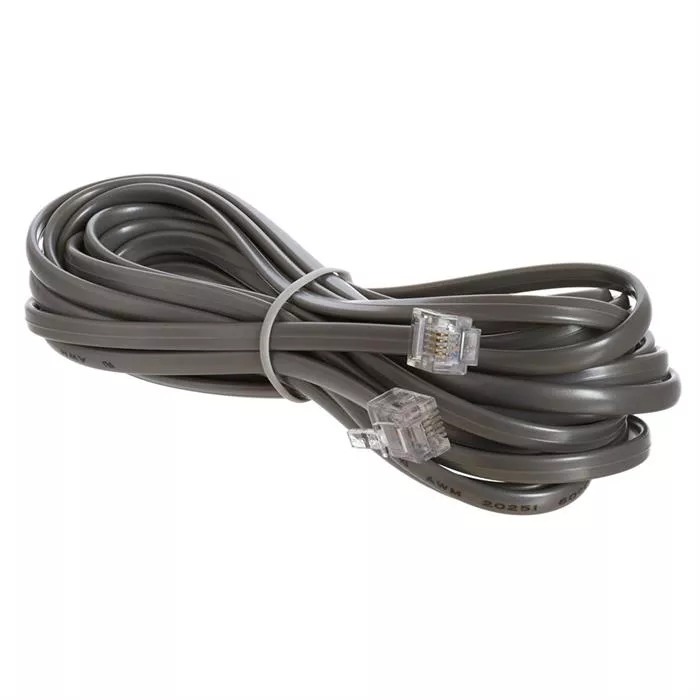
| What are the main types of telephone cables? | The most common types are flat cables, twisted-pair cables, and coaxial telephone cables, depending on the specific application and required signal quality. |
| Can telephone cables be used for internet? | Yes! Telephone cables are widely used for DSL (Digital Subscriber Line) internet connections, where they transmit both voice and data signals over a single line. |
| What’s the difference between telephone cables and Ethernet cables? | Telephone cables are primarily designed for voice communication and low-speed data, whereas Ethernet cables, like CAT6 or CAT8, are designed for high-speed data transmission in modern networks. |
| Are telephone cables still relevant in 2024? | Absolutely! While wireless technologies are on the rise, telephone cables remain essential for landlines, DSL connections, and PBX systems, especially in businesses and rural areas. |
| What lengths are available for telephone cables? | Standard lengths range from 1 meter to 50 meters, but custom lengths can be manufactured to meet specific project needs. |
| Can telephone cables handle modern VoIP systems? | Yes, with the right adapters or systems in place, telephone cables can be integrated into VoIP (Voice over Internet Protocol) setups for seamless communication. |
| Are telephone cables durable? | Yes, they are built with high-quality insulation and, in some cases, additional shielding to ensure durability and resistance to wear and tear, even in harsh environments. |
| Where can I buy high-quality telephone cables? | Shenzhen Kingwire Electronics Co., Ltd. offers premium-quality telephone cables in both standard and customized options, with bulk purchasing benefits for distributors and OEMs. |
Reliable Telephone Cable Supplier from China
If you’re looking for a trusted supplier to meet your telephone cable needs, Shenzhen Kingwire Electronics Co., Ltd. is your best bet. With over 14 years of experience, a state-of-the-art manufacturing facility, and a commitment to quality, we’ve earned a reputation as a reliable partner for distributors, OEMs, and businesses worldwide.
Why Choose Shenzhen Kingwire for Telephone Cables?
- Established Expertise: Shenzhen Kingwire was founded in 2009 and has been a leader in the networking and communication cable industry ever since.
- World-Class Manufacturing Facility: Our 10,000-square-meter factory in Longgang, Shenzhen, is equipped with cutting-edge machinery and highly skilled workers capable of producing cables to exact specifications.
- Certified Quality Standards: Our products meet international certifications such as ISO 9001, CE, and RoHS, ensuring they are safe, durable, and environmentally friendly.
- Global Reach: We export directly to clients in North America, Europe, Asia, and beyond, providing solutions for industries ranging from telecommunications to IT.
- Custom Solutions: With over 10 independent patents and a strong in-house R&D team, we offer tailored products that meet the unique needs of our clients.
Shenzhen Kingwire’s Product Range
In addition to telephone cables, Shenzhen Kingwire manufactures a wide variety of networking and communication products, including:
- LAN Cables (CAT5E, CAT6, CAT6A, CAT7, and CAT8)
- Patch Cords
- Fiber Optic Cables
- Patch Panels
- Telephone Accessories
- OEM and ODM Networking Solutions
By partnering with us, you gain access to a diverse product catalog, exceptional customer support, and competitive pricing.
Telephone Cable Applications Across Key Industries
While telephone cables might seem simple at first glance, they’re incredibly versatile and serve a wide range of industries. From residential setups to industrial applications, their ability to transmit both voice and low-speed data makes them an invaluable tool for communication infrastructure.
1. Telecommunications
The telecommunications industry relies heavily on telephone cables for structured cabling systems in both residential and commercial settings. These cables are essential for connecting landlines, PBX systems, and DSL internet services.
Example Use Case: A telecom provider installs telephone cables to deliver voice and internet services to a multi-story office building, ensuring reliable connections for all tenants.
2. Corporate Offices
In modern offices, telephone cables are used to connect PBX systems, which enable seamless internal and external communication. They also integrate with DSL internet connections, providing a dual-purpose solution for businesses.
Example Use Case: An IT team uses telephone cables to set up a PBX system for a growing business, ensuring every employee has access to a reliable phone line.
3. Residential Networks
Telephone cables remain a staple in residential communication systems, especially in rural areas where DSL is the primary internet option. They’re also used for landline phones, which remain popular for their reliability and simplicity.
Example Use Case: A homeowner uses telephone cables to connect their DSL modem, providing internet access and a landline connection for their family.
4. Industrial Applications
In industrial environments, telephone cables are often used for communication networks and control systems. Their durability and affordability make them a practical choice for large-scale installations.
Example Use Case: A manufacturing plant installs telephone cables to connect control systems across multiple production lines, ensuring smooth communication between operators and machinery.
5. Healthcare Facilities
Hospitals and clinics rely on telephone cables to power internal communication systems and connect PBX networks. These systems ensure critical communication between departments and with external parties.
Example Use Case: A hospital uses telephone cables to set up a secure PBX system, allowing doctors and nurses to communicate efficiently across different departments.
6. Educational Institutions
Schools, colleges, and universities use telephone cables for campus-wide communication systems, connecting administrative offices, classrooms, and security systems.
Example Use Case: A university installs telephone cables to link its main administration office with individual departments, ensuring streamlined communication and efficient management.
How to Choose the Right Telephone Cable Supplier
Selecting the right supplier for telephone cables is a critical decision that can impact the success of your projects. Here are some tips to help you make the best choice:
1. Prioritize Industry Experience
Look for a supplier with a proven track record in manufacturing high-quality cables. Shenzhen Kingwire Electronics Co., Ltd. has been a trusted name in the industry since 2009.
2. Verify Certifications
Ensure the supplier’s products meet international standards such as ISO 9001, CE, and RoHS. These certifications guarantee that the cables are reliable, durable, and environmentally friendly.
3. Check Customization Capabilities
If you’re an OEM or require specific configurations, choose a supplier that offers private labeling, custom lengths, and other tailored options. Shenzhen Kingwire specializes in delivering flexible, client-focused solutions.
4. Evaluate Production Capacity
Partner with a supplier that can handle both small and bulk orders efficiently. Shenzhen Kingwire’s 10,000-square-meter factory ensures timely delivery, even for large-scale projects.
5. Read Customer Reviews
Take the time to review testimonials and feedback from other clients. Positive reviews are a strong indicator of the supplier’s reliability and customer service quality.
Final Thoughts on Telephone Cables
The telephone cable may seem like a simple product, but its impact on communication systems is profound. From powering landline phones to supporting DSL internet connections and PBX systems, telephone cables remain an essential component of modern infrastructure.
At Shenzhen Kingwire Electronics Co., Ltd., we’re dedicated to providing high-quality telephone cables that meet the needs of businesses and industries worldwide. Whether you’re a distributor looking for bulk purchasing options or an OEM interested in custom solutions, we have the expertise, capacity, and commitment to help you succeed.
Ready to take your business to the next level? Contact us today to learn more about our products and services!