January 4, 2025
Patch Panel: The Unsung Hero of Structured Cabling
Share This Article
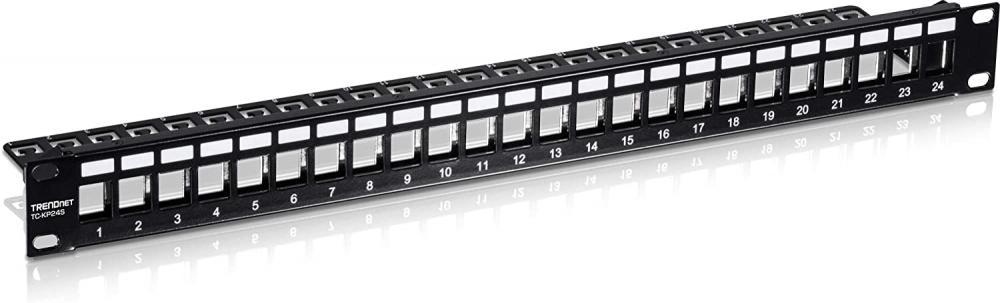
When you think about creating a robust, efficient, and scalable network, what comes to mind first? Maybe routers, switches, or Ethernet cables? But have you ever considered the backbone holding it all together—the patch panel?
A patch panel is the quiet workhorse of modern networking. It’s a crucial piece of hardware that organizes and connects multiple Ethernet cables into a single, clean, and streamlined system. Whether you’re setting up a small office network or managing a large-scale data center, a patch panel ensures everything runs smoothly and efficiently. Think of it like the control room of a spaceship—it keeps everything in order and ensures seamless operations.
In this article, we’ll explore the world of patch panels—what they are, why they’re essential, and how they can revolutionize your networking setup. Whether you’re a distributor interested in wholesale opportunities, an OEM looking for private-label solutions, or an enterprise managing large installations, we’ve got the details you need. Let’s dive in!
Overview of Patch Panels
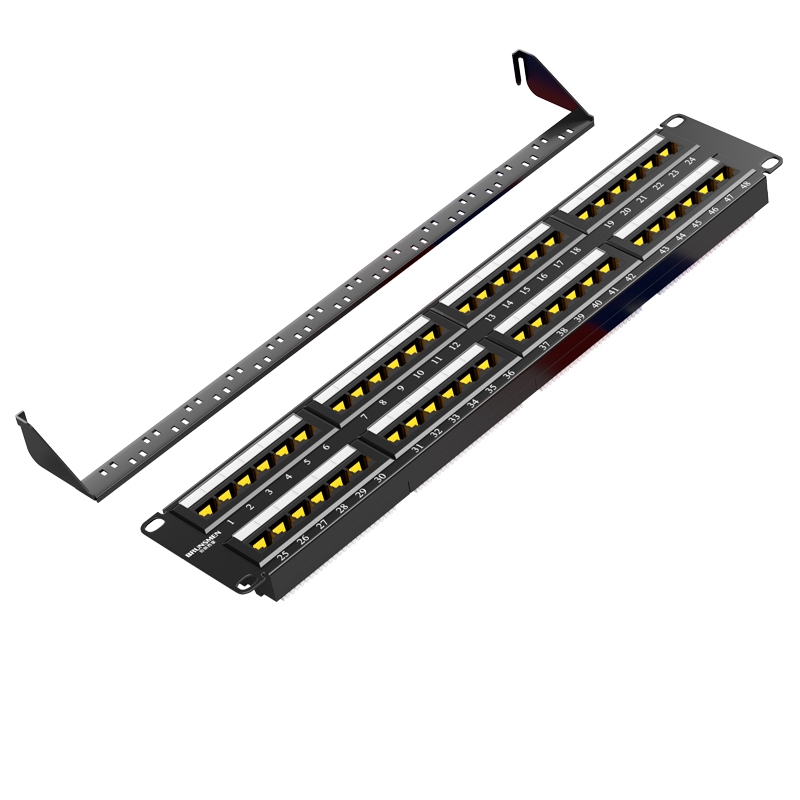
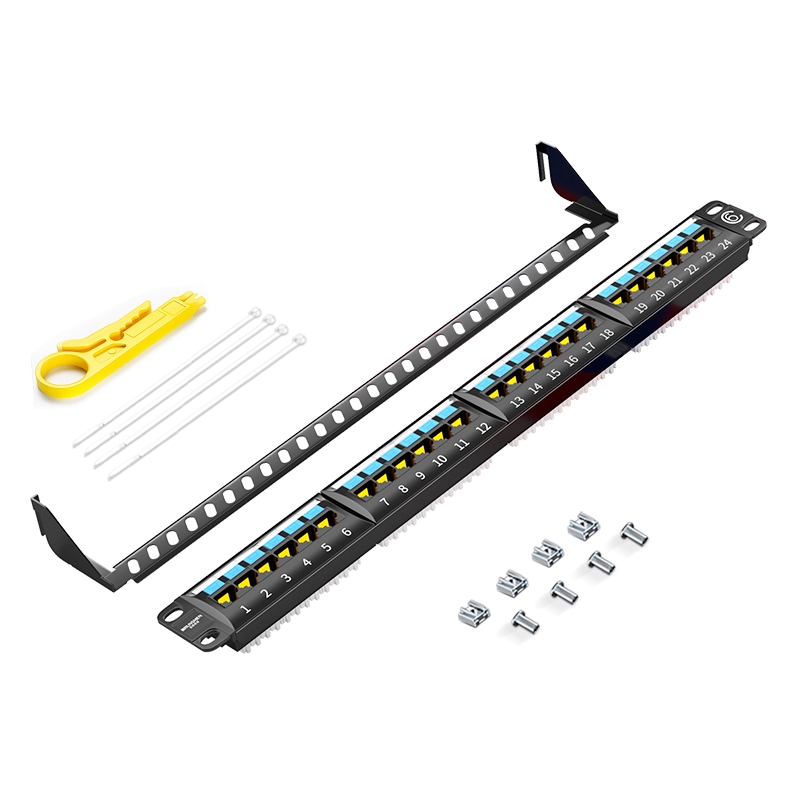
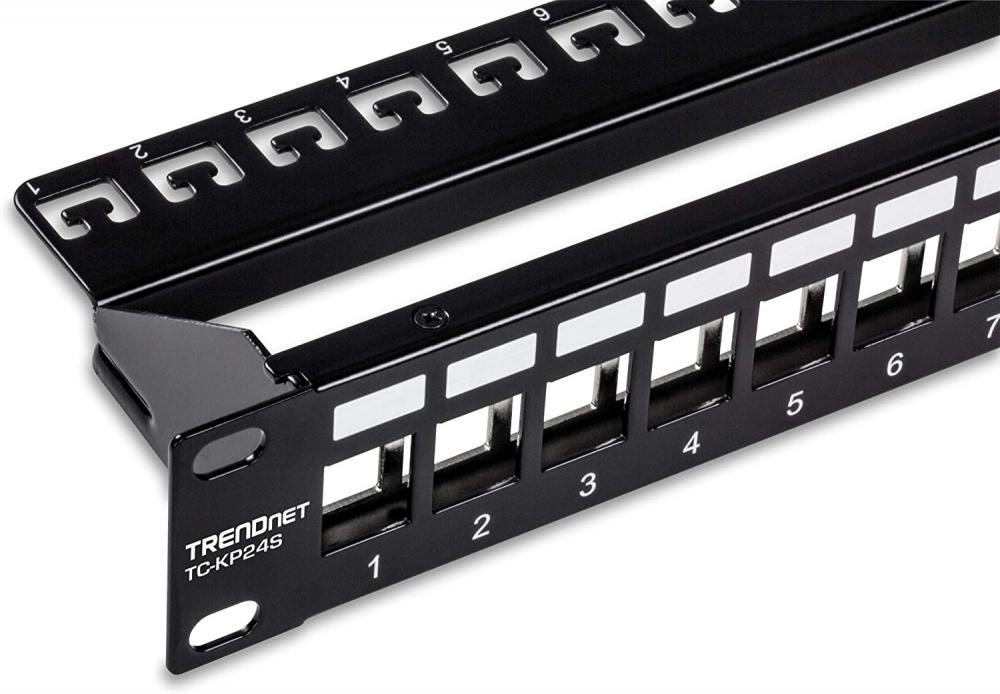
A patch panel is a device that houses multiple ports for terminating Ethernet cables. It acts as a central hub, connecting incoming and outgoing cables in a structured cabling system. Typically, patch panels are mounted on racks or cabinets and are used in combination with network switches, routers, and other equipment.
Patch panels make it easy to manage and organize cables, ensuring a tidy and efficient setup. Instead of directly plugging cables into a switch—which can lead to a tangled mess—you use a patch panel as an intermediary. This not only improves cable management but also makes it easier to troubleshoot and maintain the network.
Key Features of Patch Panels
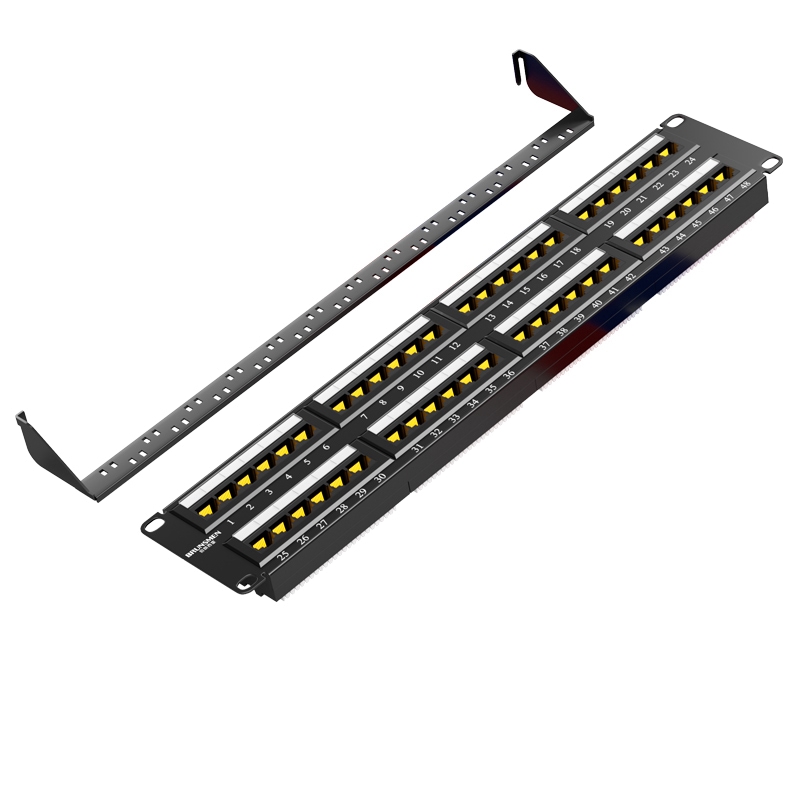
- Port Density: Available in various configurations, such as 12-port, 24-port, 48-port, and beyond, to accommodate networks of all sizes.
- Compatibility: Works with Cat5e, Cat6, Cat6a, and fiber optic cables.
- Scalability: Easy to expand as your network grows.
- Durability: Constructed with robust materials to withstand heavy usage.
- Ease of Maintenance: Simplifies cable management and troubleshooting.
Wholesale Patch Panel for Distributors
If you’re a distributor, stocking patch panels in bulk is a no-brainer. These devices are indispensable in networking setups, making them a high-demand product across industries. From IT contractors to enterprise clients, everyone needs a reliable patch panel to keep their networks running smoothly.
Why Patch Panels Are Ideal for Wholesale
- Universal Demand: Every structured cabling system needs a patch panel, ensuring consistent sales.
- Versatile Applications: Used in homes, offices, data centers, and industrial facilities.
- Compact and Lightweight: Easy to store, ship, and handle in bulk quantities.
Advantages of Bulk Purchasing Patch Panels
- Lower Costs: Buying in bulk reduces the per-unit cost, allowing you to offer competitive pricing while maximizing your profit margins.
- Consistent Supply: Maintain a steady inventory to meet the demands of large-scale projects and recurring customers.
- Customization Opportunities: Many manufacturers, like Shenzhen Kingwire, offer private-label options for bulk orders, helping you differentiate your brand in the market.
Comparison of Patch Panels for Distributors
| Feature | Unshielded Patch Panel | Shielded Patch Panel | Fiber Optic Patch Panel |
|---|---|---|---|
| Application | Home and office networks | High-interference environments | Fiber optic networks for high-speed data |
| Cost | More affordable | Slightly higher | Higher due to advanced technology |
| Compatibility | Cat5e, Cat6, Cat6a cables | Cat5e, Cat6, Cat6a cables | Fiber optic cables |
| Durability | Standard durability | Extra protection against EMI | Highly durable for sensitive data |
| Best For | Basic networking setups | Industrial and enterprise environments | Data centers and telecom networks |
For distributors, offering a range of patch panels ensures you can cater to diverse customer needs, from basic home setups to advanced enterprise-grade installations.
Customizable Patch Panel for OEM and Branding Needs
In an increasingly competitive market, customization is key to standing out. For OEMs and private-label brands, offering custom patch panels is a great way to differentiate your products and cater to niche audiences. Whether it’s branded packaging, unique designs, or specialized features, customization adds value and makes your product more appealing.
Why Customize Patch Panels?
- Build Brand Identity: Add your logo to the patch panel or packaging for a professional, polished look.
- Tailor to Specific Needs: Offer features like color-coded ports, rugged designs, or enhanced shielding for specialized applications.
- Increase Market Appeal: Customized products often command higher prices, boosting your profit margins.
Customization Options at Shenzhen Kingwire
At Shenzhen Kingwire Electronics Co., Ltd., we specialize in providing tailored solutions for OEMs. Here’s what we can offer:
- Private Labeling: Print your logo directly on the patch panel or its packaging.
- Custom Configurations: Choose from different port densities, cable types (Cat5e, Cat6, Cat6a, or fiber optic), and additional features.
- Eco-Friendly Packaging: Appeal to environmentally conscious customers with sustainable packaging options.
- Enhanced Features: Include shielding, rugged designs, or other enhancements to meet specific customer needs.
How Custom Patch Panels Benefit Your Business
Imagine seeing your brand name prominently displayed on a patch panel used in a high-profile installation—whether it’s a corporate office or a data center. Customization not only boosts brand recognition but also positions your company as a leader in networking solutions. Plus, it allows you to cater to specific industries or applications, giving you a competitive edge.
Why Upgrade to Patch Panels? A Comparison for Wholesalers
Still selling outdated or generic networking solutions? It’s time to upgrade to modern patch panels. These devices are designed to meet the demands of high-speed, high-performance networks, offering better organization, scalability, and durability compared to older alternatives.
Advantages of Upgrading to Patch Panels
- Enhanced Performance: Compatible with advanced Ethernet standards like Cat6a and fiber optics, ensuring faster data transfer.
- Improved Cable Management: Keeps cables organized and accessible, reducing maintenance time and costs.
- Scalability: Easy to expand as your network grows, making it a future-proof investment.
- Simplified Troubleshooting: Centralized connections make it easier to identify and resolve issues.
Patch Panels vs. Alternative Networking Solutions
| Feature | Patch Panel | Direct Cable Connections | Pre-Terminated Cables |
|---|---|---|---|
| Cable Management | Excellent, with organized ports | Poor, often results in tangled cables | Good, but less flexible |
| Ease of Maintenance | Easy to troubleshoot and reconfigure | Difficult to manage | Simplifies setup but limits scalability |
| Scalability | Highly scalable | Limited | Moderate |
| Cost | Moderate | Lower upfront cost | Higher initial investment |
| Best For | Structured cabling systems | Small, temporary setups | Quick deployments |
For wholesalers, upgrading to modern patch panels ensures you’re offering cutting-edge solutions that meet the needs of today’s customers while staying ahead of competitors.
Bulk Patch Panel: Cost-Effective Networking Solutions
Large-scale networking projects demand cost-effective and scalable solutions. Buying patch panels in bulk is the best way to save money, maintain consistency, and ensure reliable performance across all installations. Whether you’re outfitting a corporate office, a telecom hub, or a data center, bulk orders provide unmatched value.
Why Choose Bulk Patch Panels?
- Lower Costs: Bulk purchasing reduces the per-unit price, making large projects more affordable.
- Consistent Quality: Using the same high-quality patch panels across a project ensures uniform performance and reliability.
- Custom Options for Bulk Orders: Many manufacturers offer tailored solutions for bulk buyers, such as private labeling or unique configurations.
Comparing Bulk Patch Panel Options
| Feature | Unshielded Bulk Patch Panels | Shielded Bulk Patch Panels | Fiber Optic Bulk Patch Panels |
|---|---|---|---|
| Cost | Affordable | Slightly higher | Higher due to advanced technology |
| Port Density | 12, 24, 48 ports | 12, 24, 48 ports | 12 or 24 ports |
| Best For | Home and office networks | Industrial and enterprise environments | Data centers and telecom networks |
For contractors, IT professionals, and enterprises, buying patch panels in bulk ensures you’re always prepared to tackle any networking project, no matter the size or complexity.

FAQ: Everything You Need to Know About Patch Panels
Patch panels might look like simple pieces of hardware, but they’re vital for creating organized, scalable, and efficient networks. Whether you’re new to networking or an industry veteran, this FAQ section answers the most common questions about patch panels to help you make informed decisions.
Frequently Asked Questions About Patch Panels
| Question | Answer |
|---|---|
| What is a patch panel? | A patch panel is a device used in structured cabling systems to organize and connect Ethernet cables. It acts as a central hub for incoming and outgoing connections, making cable management easier and networks more scalable. |
| What types of patch panels are available? | There are several types, including unshielded patch panels, shielded patch panels, and fiber optic patch panels. Each type caters to different applications, from home networks to enterprise-grade installations. |
| What is the difference between shielded and unshielded patch panels? | Shielded patch panels include a layer of metal shielding to protect against electromagnetic interference (EMI), making them suitable for industrial environments. Unshielded patch panels are more affordable and ideal for low-interference areas like homes or offices. |
| Which Ethernet cables are compatible with patch panels? | Patch panels are compatible with Cat5e, Cat6, Cat6a, and fiber optic cables. It’s crucial to match the panel type with the cable category to ensure optimal performance. |
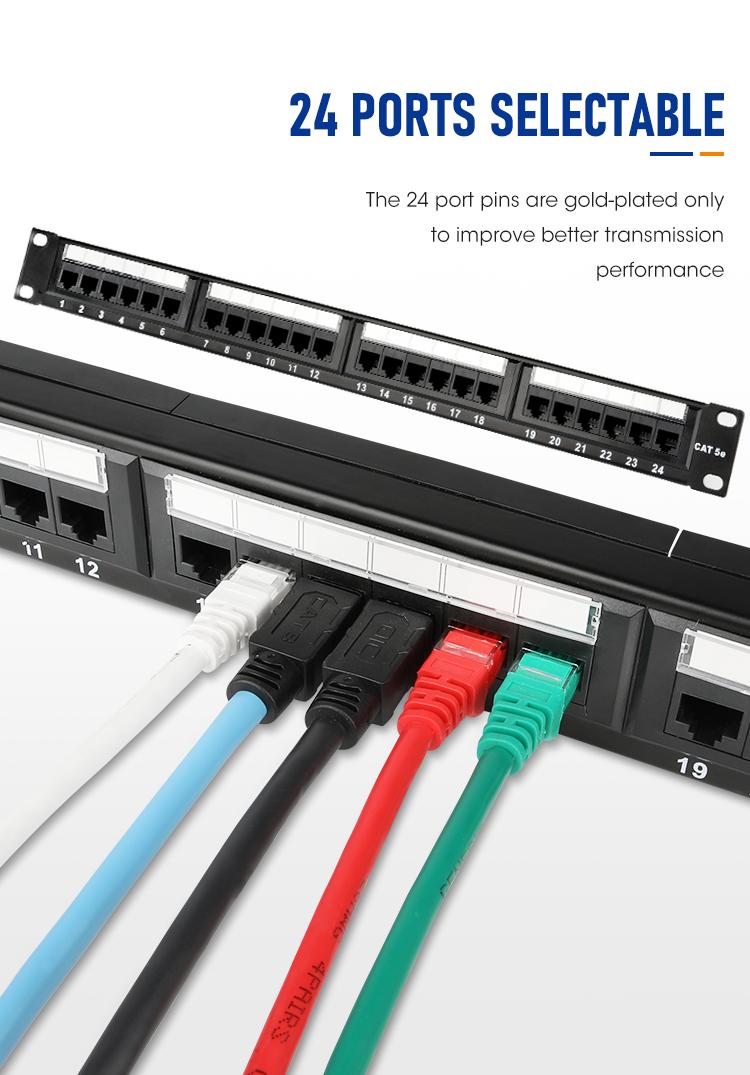
| How do you install a patch panel? | Patch panels are typically mounted on a rack or cabinet. Ethernet cables are terminated into the panel using a punch-down tool, and patch cords connect the panel to network devices like switches. |
| Why should I use a patch panel instead of direct cable connections? | Patch panels improve cable management, make networks scalable, and simplify troubleshooting. Direct connections often result in tangled cables and make network upgrades or repairs more challenging. |
| Can I use a patch panel for fiber optic cables? | Yes, specialized fiber optic patch panels are available for terminating and organizing fiber optic connections. These panels are designed to handle the unique requirements of fiber optics, such as high data speeds and sensitivity to bending. |
| What is a Cat6 patch panel? | A Cat6 patch panel is designed specifically for Cat6 Ethernet cables, supporting high-speed data transmission up to 10 Gbps. It’s ideal for modern networks that demand faster speeds and better performance. |
| How many ports does a patch panel have? | Patch panels come in various configurations, such as 12-port, 24-port, 48-port, and even larger options. The number of ports you need depends on the size and complexity of your network. |
| Where can I buy high-quality patch panels? | Shenzhen Kingwire Electronics Co., Ltd. is a trusted supplier of customizable, high-performance patch panels, catering to distributors, OEMs, and enterprises worldwide. |
Reliable Patch Panel Supplier from China
Choosing the right supplier for patch panels is critical to the success of your networking projects. A reliable manufacturer ensures consistent quality, timely delivery, and tailored solutions to meet your specific needs. This is where Shenzhen Kingwire Electronics Co., Ltd. comes in.
Why Shenzhen Kingwire Should Be Your Go-To Patch Panel Supplier
- Decades of Expertise: Established in 2009, Shenzhen Kingwire has over 14 years of experience in manufacturing high-quality networking components, including patch panels.
- State-of-the-Art Facilities: Our 10,000-square-meter factory in Longgang, Shenzhen, is equipped with cutting-edge machinery and staffed by a highly skilled workforce.
- Certified Quality Standards: All our products meet international certifications like ISO 9001, CE, and RoHS, ensuring safety, reliability, and environmental compliance.
- Customization Capabilities: With 10+ R&D patents, we offer tailored solutions for OEMs, including private labeling, custom configurations, and eco-friendly packaging.
- Global Reach: Our products are exported to North America, Europe, and Asia, serving industries such as IT, telecommunications, and industrial automation.
- Competitive Pricing: By offering factory-direct pricing, we help our clients achieve maximum value without compromising on quality.
Shenzhen Kingwire’s Patch Panel Product Range
We provide a wide variety of patch panels to suit different applications:
- Unshielded Patch Panels: Affordable and ideal for homes and offices.
- Shielded Patch Panels: Designed for EMI-prone environments like industrial facilities.
- Fiber Optic Patch Panels: Perfect for high-speed data centers and telecom networks.
By partnering with Shenzhen Kingwire, you gain access to reliable products, expert support, and a reputation for excellence.
Patch Panel Applications Across Key Industries
Patch panels are not just for IT departments—they’re used in a wide range of industries to simplify and enhance network management. Let’s explore some common applications.
1. Data Centers
Data centers are the nerve centers of the digital world, housing thousands of interconnected servers, switches, and storage devices. Patch panels play a critical role in organizing and managing these connections, ensuring high-speed and uninterrupted data flow.
Example Use Case: A data center installs 48-port shielded patch panels to streamline the cabling between its servers and network switches, reducing interference and improving performance.
2. Telecommunications
The telecom industry relies heavily on structured cabling to deliver voice, video, and data services. Patch panels simplify the process of routing connections, making it easier to manage complex telecom networks.
Example Use Case: A telecom provider uses fiber optic patch panels to terminate high-speed lines in its central office, ensuring reliable connectivity for customers across the region.
3. Industrial Automation
Factories and industrial facilities require robust networks to connect sensors, controllers, and other devices in automated systems. Shielded patch panels are often used to protect against electromagnetic interference (EMI) caused by heavy machinery.
Example Use Case: An automotive manufacturer deploys shielded Cat6a patch panels to connect its robotic assembly lines to the central control system, ensuring precise and uninterrupted communication.
4. Educational Institutions
Schools and universities need reliable networks to support online learning, administrative tasks, and campus-wide connectivity. Patch panels make it easy to manage these networks and scale them as needed.
Example Use Case: A university installs 24-port Cat6 patch panels in its computer labs and library to provide high-speed internet access for students and staff.
5. Retail and Commercial Spaces
In retail and office environments, patch panels are used to connect point-of-sale systems, surveillance cameras, and office devices. They ensure organized cabling and make it easier to troubleshoot issues.
Example Use Case: A retail chain uses pre-labeled patch panels to manage connections for its cash registers, inventory systems, and security cameras across multiple store locations.
6. Home Networking
Even in residential setups, patch panels are becoming increasingly popular. They provide a central point for connecting devices like smart TVs, gaming consoles, and security cameras, ensuring a clean and organized home network.
Example Use Case: A tech-savvy homeowner installs a 12-port patch panel in their utility room to manage Ethernet connections for their smart home devices.
How to Choose the Right Patch Panel Supplier
Selecting the right supplier can make or break your project. Here’s what to consider when evaluating potential patch panel manufacturers:
1. Experience and Expertise
Look for a supplier with a proven track record in networking hardware. Shenzhen Kingwire has been a trusted name in the industry since 2009, with over a decade of experience.
2. Certifications and Standards
Ensure the supplier adheres to international standards like ISO 9001, CE, and RoHS. These certifications guarantee that the products are safe, reliable, and environmentally friendly.
3. Customization Options
If you’re an OEM or need tailored solutions, choose a manufacturer that offers private labeling, custom configurations, and enhanced features. Shenzhen Kingwire specializes in OEM and ODM services, making it easy to create products that align with your brand.
4. Production Capacity
Make sure the supplier can handle both small and large orders efficiently. Shenzhen Kingwire’s 10,000-square-meter facility is equipped to meet the demands of distributors, enterprises, and contractors.
5. Customer Support
Choose a supplier with a reputation for excellent customer service. Positive reviews and testimonials can provide valuable insights into a company’s reliability and professionalism.
Final Thoughts on Patch Panels
The patch panel is more than just a piece of hardware—it’s the glue that holds modern networks together. Whether you’re managing a small office setup or a large-scale data center, patch panels simplify cable management, improve scalability, and enhance overall network performance.
At Shenzhen Kingwire Electronics Co., Ltd., we’re dedicated to providing high-quality patch panels tailored to your needs. With our expertise, advanced manufacturing capabilities, and competitive pricing, we’re here to help you succeed in every project.
Ready to optimize your network with premium patch panels? Contact us today to learn more about our products and services!